
Why Are Mortgage Interest Rates Still So High? What Buyers Need to Know in 2026
If you’ve been house hunting lately, you’ve probably felt a little sticker shock when looking at mortgage interest rates. After years of ultra-low rates, the current numbers might seem sky-high. So, why are mortgage rates still so elevated in 2026—and what does that mean for you as a buyer?
Why Are Mortgage Rates Still High?
It’s easy to assume that the Federal Reserve alone controls mortgage rates, but the reality is much more complex. Today’s rates are shaped by a mix of factors, including:
• Inflation: When inflation is high, lenders need higher rates to make up for the decreased value of future payments.
• Economic Conditions: A strong or uncertain economy can push rates higher as investors seek safer returns.
• Treasury Yields: Mortgage rates often move in tandem with the yield on 10-year U.S. Treasury bonds, which are influenced by global economic trends and investor confidence.
• Investor Expectations: If investors expect inflation or economic volatility to persist, they demand higher returns on mortgage-backed securities, which pushes rates up.
• Mortgage Market Dynamics: Supply and demand for home loans, as well as regulatory changes, can also impact rates.
Where Are Rates Right Now?
As of October 15, 2026, the average 30-year fixed mortgage rate hovered around 7.40%, according to Freddie Mac. That’s up from about 6.30% a year ago. If you remember the days of 3% rates back in 2020 and 2021, today’s numbers can feel like a big leap.
Putting Today’s Rates in Perspective
While 7.40% might seem high compared to recent years, it’s important to remember that, historically, mortgage rates have often been much higher. In the 1980s, for example, rates soared well above 10%. The ultra-low rates of the pandemic era were an anomaly, not the norm.
What Does This Mean for Buyers?
• Affordability: Higher rates mean higher monthly payments, so you may need to adjust your budget or expectations.
• Competition: Some buyers are waiting for rates to drop, which can mean less competition for those who are ready to buy now.
• Refinancing Options: If rates eventually fall, refinancing could help lower your payments down the road.
• Focus on What You Can Control: Improving your credit score, saving for a larger down payment, and shopping around for the best loan terms can all help offset higher rates.
The Bottom Line
Today’s mortgage rates may feel high, but they reflect a complex economic landscape. If you’re ready to buy, focus on what you can control—and remember, the right time to buy a home is when it makes sense for your life and finances, not just because of interest rates.
Categories
Recent Posts
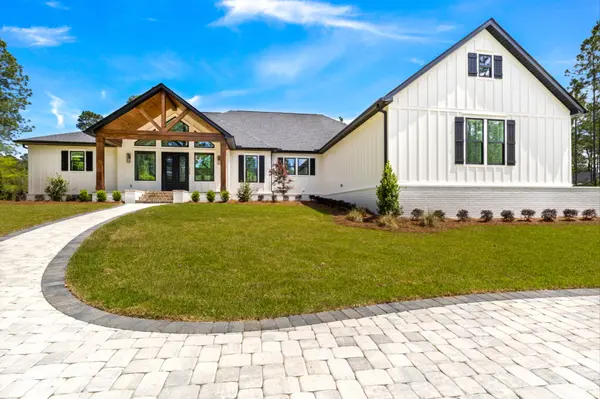
The Baldwin County Home Features Buyers Are Actually Looking For
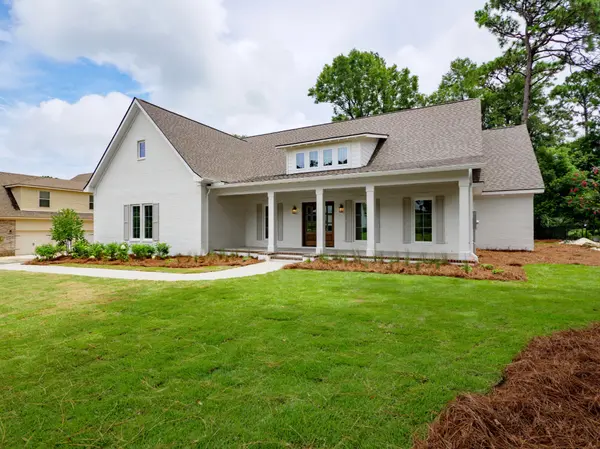
Why Fall Is One of the Best Times to Experience Baldwin County

5 Expensive Mistakes to Avoid When Building a Custom Home

7 Things to Know Before Buying a Home in Baldwin County This Fall
Is Now a Good Time to Sell Your Home in Baldwin County, Alabama?
Why Some Homes Sell Quickly While Others Sit

The Unsung Hero Next Door: The Role of a Local Real Estate Agent

Why Home Buyers Prefer Touring Homes After Work and on Weekends

The “Summer Heat Check”: Why Touring Homes and Neighborhoods During Peak Heat Is the Ultimate Test
